Is it safe to eat lettuce yet? What to know as cyclosporiasis outbreak lingers

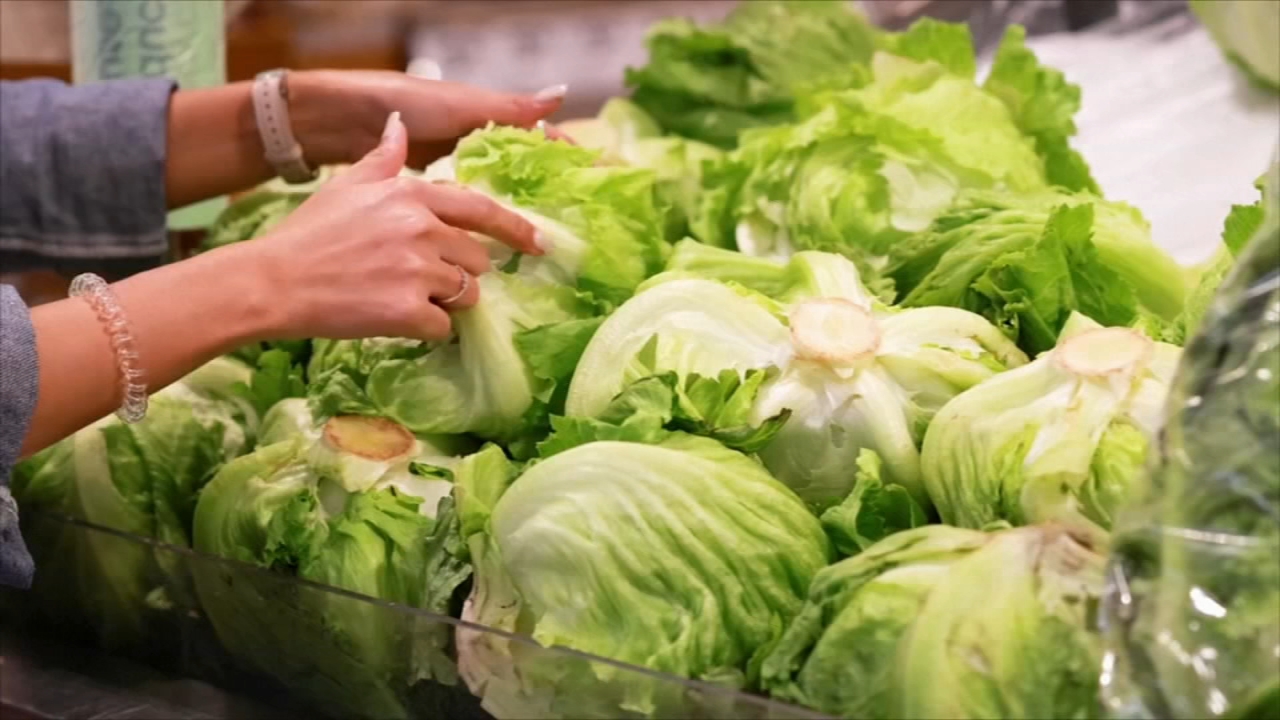
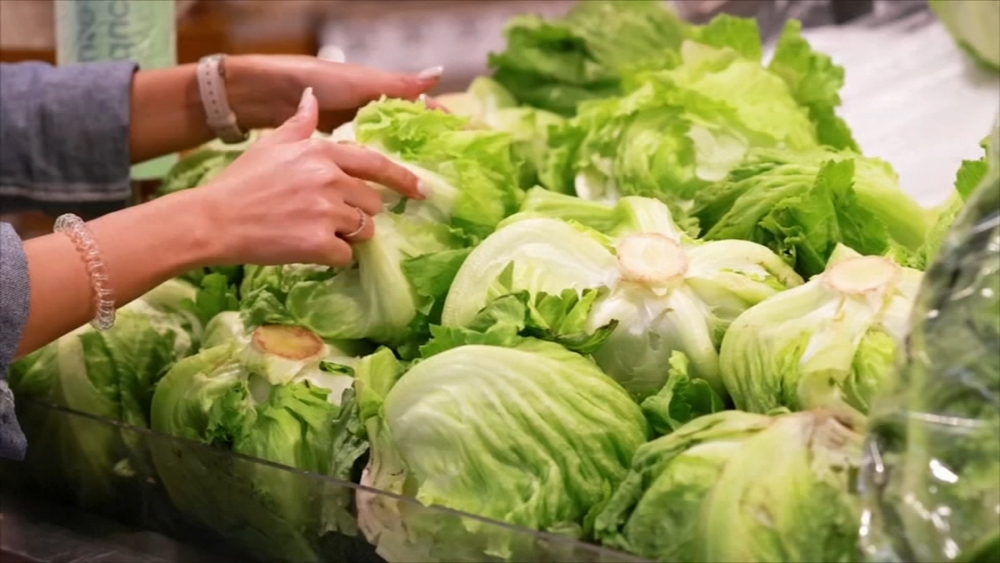
As federal health officials continue to investigate this summer's outbreak of cyclosporiasis tied to iceberg lettuce, many people are left wondering: Is it safe to eat lettuce yet?
For now, the answer seems to be generally yes - with an important caveat.
In an update last week, the US Food and Drug Administration said it "remains confident that all recalled iceberg lettuce related to this specific Cyclospora outbreak is off the market" and that "product should no longer be available in stores or restaurants."
People do not need to avoid iceberg lettuce completely - but they should be mindful not to eat any of the products that were a part of the initial recall and still practice general food safety protocols.
"In terms of the risk to consumers now, if today for dinner you wanted to go out and eat a salad, you're pretty safe from cyclospora at this point, as far as we know," said Matthew Moore, an associate professor of food science at the University of Massachusetts Amherst.
The FDA's position - that the recalled lettuce is off the market - is the most important piece of information for shoppers deciding whether to buy or eat lettuce.
The video in the player above is from a previous report.
"Assuming you do not come across any food with a known recall, yes, it is OK to eat such types of produce," said Dr. Jennifer Layden, associate dean for practice and a professor at the Bursky School of Public Health at Washington University in St. Louis.
"For that specific outbreak - the cyclosporiasis outbreak associated with the iceberg lettuce - that was all removed from the market in the food supply. That food's been recalled, and so with that knowledge, that's been several weeks now. I believe that it is safe," she said. But, she added, "if you had such products in your house, the recommendation is to carefully clean and sanitize any surfaces or containers that it touched."
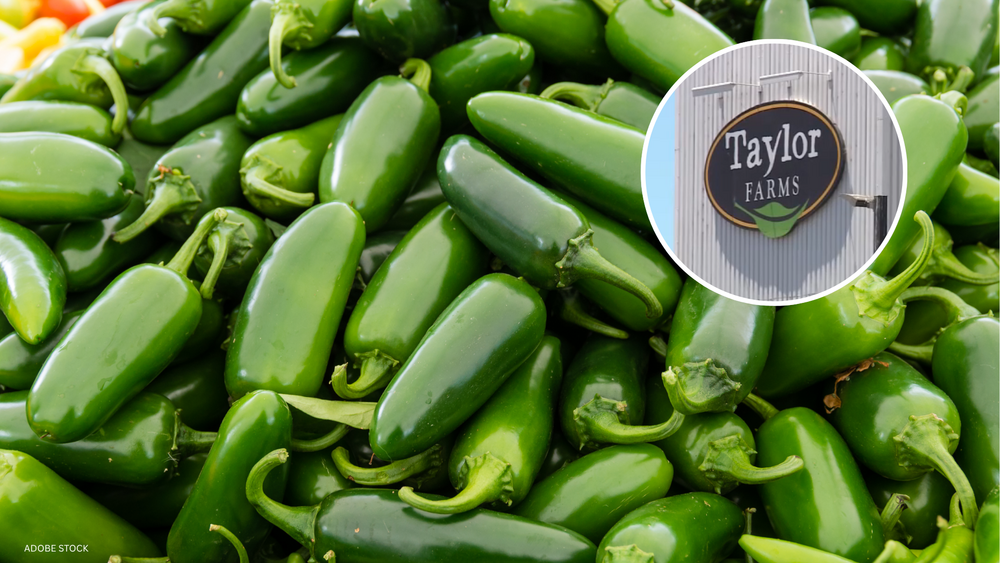
This summer's recall began after data pointed investigators toward shredded iceberg lettuce associated with illnesses among people who reported eating at some Taco Bell locations. The FDA traced the lettuce to the company Taylor Farms and growers based in Mexico.
On July 17, Taylor Farms de Mexico announced that it had removed all iceberg lettuce sourced from central Mexico from the US market, and Taylor Farms initiated a recall, which included Marketside iceberg salad packs and shredded lettuce with best-if-used-by dates from July 18 to August 3, respectively.
"Based on the information currently available, FDA is not advising consumers to avoid iceberg lettuce in general," Dr. Colleen Kraft, a professor of infectious diseases at Emory University School of Medicine, said in an email. "I am comfortable with people eating iceberg lettuce that is currently being sold. I would distinguish between the specific recalled product and iceberg lettuce as a category. The implicated lettuce is no longer expected to be on the market. There is always some baseline risk associated with eating raw produce, but there is not currently a recommendation to avoid all iceberg lettuce because of this outbreak."
The distinction matters because the outbreak itself is still being investigated.
Are new cases still being reported?
The FDA and that US Centers for Disease Control and Prevention said Thursday that the total number of illnesses linked with the outbreak has reached 11,458 across 20 states. Among those, 495 people have been hospitalized, and two people died.
The FDA noted that most of the illnesses began before the Taylor Farms iceberg lettuce recall was announced July 17.
"The most recent reported illness onset is August 15. But this is an important distinction: a newly reported case is not necessarily a newly acquired infection," Kraft said. "There can be a substantial delay between someone becoming ill, being diagnosed, being interviewed by public health officials, and ultimately having their illness linked to an outbreak."
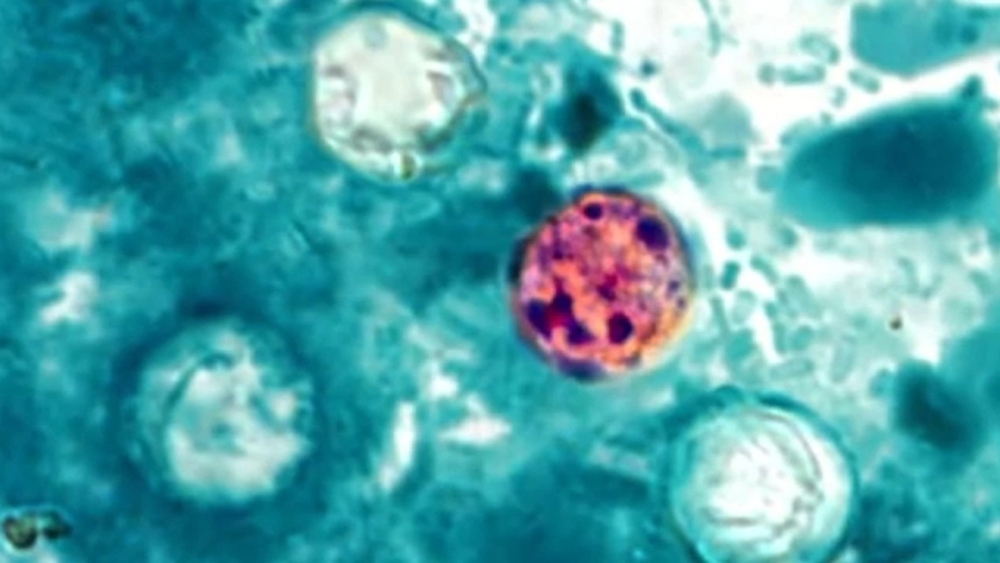
When someone is infected with cyclospora, the microscopic parasite that causes cyclosporiasis, they can develop explosive diarrhea along with other intestinal symptoms - and it can take anywhere from two days to two weeks for symptoms to appear. It can take as long as six weeks for CDC and state officials to determine whether an illness is part of the ongoing outbreak, according to the FDA. As a result, a case reported today does not necessarily mean the person ate contaminated lettuce recently.
"This lag in reporting gives a false sense that cases are still occurring. In reality, these are cases that occurred earlier, and are now just being reported and linked to the associated contained products," Layden said. "The case counts that we're seeing right now go up are largely due to cases that occurred several weeks ago, before the product was recalled."
What are safe alternatives?
Even if you're concerned about cyclosporiasis, you shouldn't completely avoid fresh produce. Doctors emphasize that fruits and vegetables remain an important part of a healthy diet.
"For someone who wants to be particularly cautious, cooked vegetables are a lower-risk alternative because cooking provides a kill step that raw produce does not. Frozen or canned vegetables that are subsequently cooked are also reasonable options," Kraft said. "Fruits that you peel yourself, such as bananas or oranges, may provide another practical option because the portion you eat is protected by a peel that is discarded."
Additionally, it's always important to practice safe food handling and proper hygiene, such as washing your hands, washing fresh produce, avoiding cross-contamination between foods and throwing away items after their date of expiration.
"This time of year is when we typically see these type of outbreaks," Layden said. "The numbers are higher, admittedly, this year than in past years, but this is the time of year that these things happen, and so the importance of those common guidelines are important - the washing of food, making sure it's not expired, cooking it properly, storing it properly - all those things are just really important day in and day out."
When will the outbreak be over?
In the meantime, an investigation into the cyclospora outbreak is ongoing. Federal health officials may declare the outbreak over once they are confident that new illnesses are no longer emerging, Kraft said.
"They also need time for recently diagnosed cases to work their way through laboratory testing, patient interviews and epidemiologic linkage. In parallel, FDA is continuing its inspections and sampling of growers and the processing facility in Mexico," she said. "Essentially the immediate consumer risk from the recalled product appears to have passed, but the epidemiologic investigation has not yet formally ended."
Based on current data, Moore said, he thinks the United States may be approaching the end of the cyclospora outbreak tied to iceberg lettuce.
"There is quite a delay between when the contamination occurred versus when people were actually consuming this and then them actually reporting sick, but ... it seems like the cases are going down," Moore said.
"It sounds like all the product that was implicated, at least as far as we know, has been recalled and that there aren't very many more new cases," he said. "Unlike some other pathogens like salmonella - that potentially could be person-to-person, where you have an initial spike that's getting people sick, and then they're getting other people sick, where you could potentially continue the outbreak - with cyclospora, because it's not transmitted person-to-person, it'll just kind of die off."
The outbreak could be declared over in a few weeks, Layden predicted.
"Typically, an outbreak is declared over by an agency once there's no more confirmed cases associated with it for several weeks - not just a day, but for several weeks," Layden said. "And they know that all the product is out of the food supply."
The-CNN-Wire & 2026 Cable News Network, Inc., a Time Warner Company. All rights reserved.