

SoCal businesses breathe temporary sigh of relief after Supreme Court ruling against Trump's tariffs

Reactions are pouring in after the Supreme Court struck down President Trump's sweeping tariffs, including from Southern California's ports.
The Port of Long Beach is hoping that the ruling "brings greater certainty to the supply chain," CEO Dr. Noel Hacegaba said in a statement.
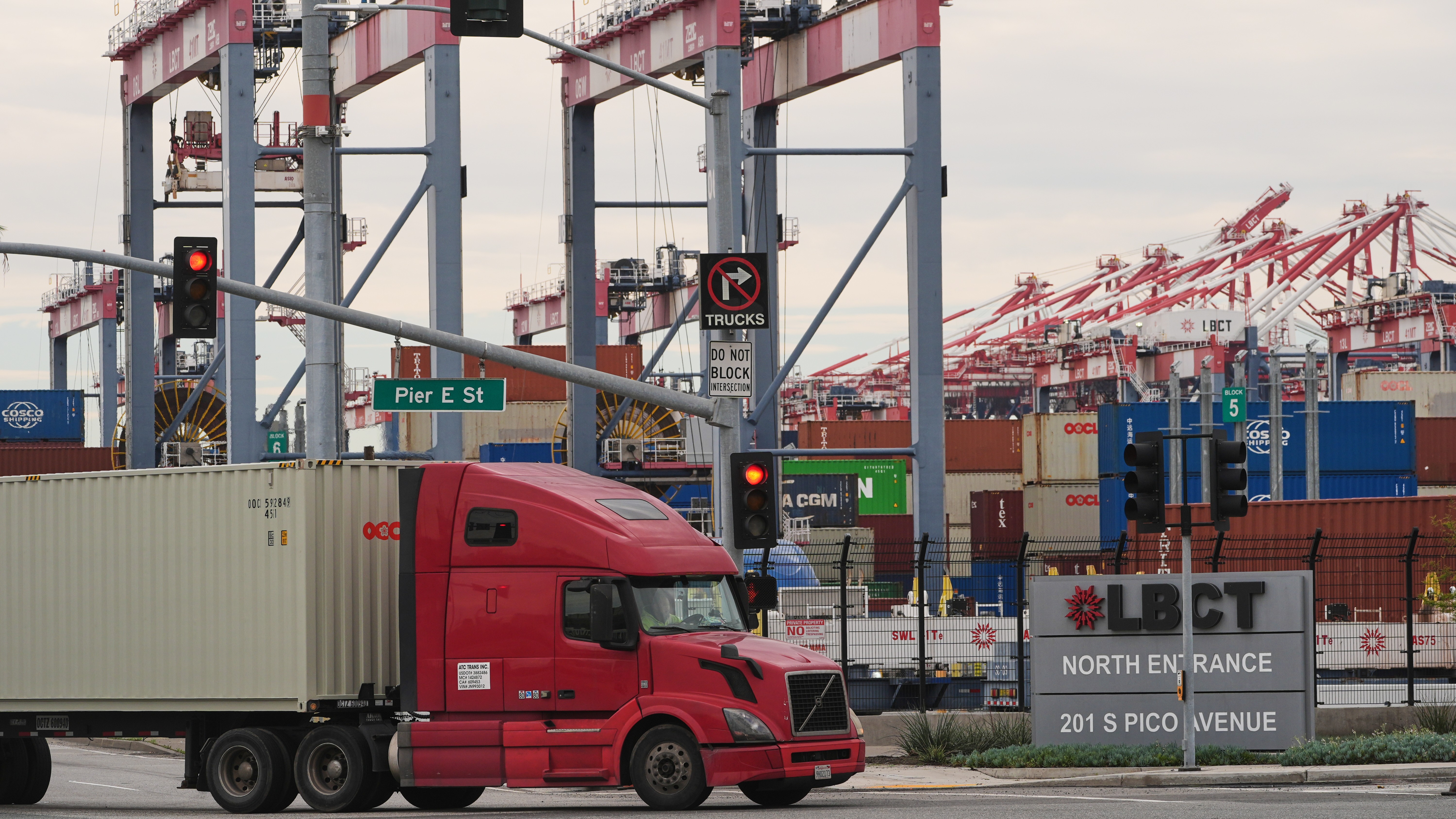
Port officials said clear trade policy is needed to keep goods flowing to businesses and consumers.
"As one of the nation's largest gateways, the Port of Long Beach will continue working closely with our partners to enhance the efficiency, reliability, and velocity of cargo movement. Doing so supports the broader supply chain, strengthens U.S. competitiveness, and sustains the 2.7 million jobs tied to the Port of Long Beach," the statement read, in part.
Gene Seroka, executive director for the Port of Los Angeles, issued the following statement:
"The decision impacts about two-thirds of the tariffs that have been collected to date and opens new avenues of uncertainty. First, there is not yet clarity on whether there will be refunds from the U.S. Treasury Department on tariffs already paid. Second, the administration has already announced a new 10% global tariff in the wake of the ruling, with no indication as to when that will take effect."
Seroka pointed out that this is all developing during the Lunar New Year, and that most factories in China and across Asia are closed and not expected to reopen until at least next week.
Trump pushes back against SCOTUS decision
The Supreme Court ruling on Friday handed the president a stinging loss on an issue crucial to his economic agenda.
Furious about the defeat, Trump said he will impose a global 10% tariff as an alternative while pressing his trade policies by other means. The new tariffs would come under a law that restricts them to 150 days.
He made that announcement after lashing out at the Supreme Court for striking down much of his sweeping tariff infrastructure as an illegal use of emergency power. Trump said he was "absolutely ashamed" of justices who voted to strike down his tariffs and called the ruling "deeply disappointing."
"Their decision is incorrect," he said. "But it doesn't matter because we have very powerful alternatives."
The court's 6-3 decision centers on tariffs imposed under an emergency powers law, including the sweeping "reciprocal" tariffs he levied on nearly every other country.
His loss before the conservative-majority high court came despite a series of short-term Trump wins that have allowed him to move ahead with key aspects of his broad agenda.
Other SoCal businesses react
The tariffs the Trump administration put in place reshaped the way companies buy, build and price their product. Some passed those costs to customers, others absorbed the hit.
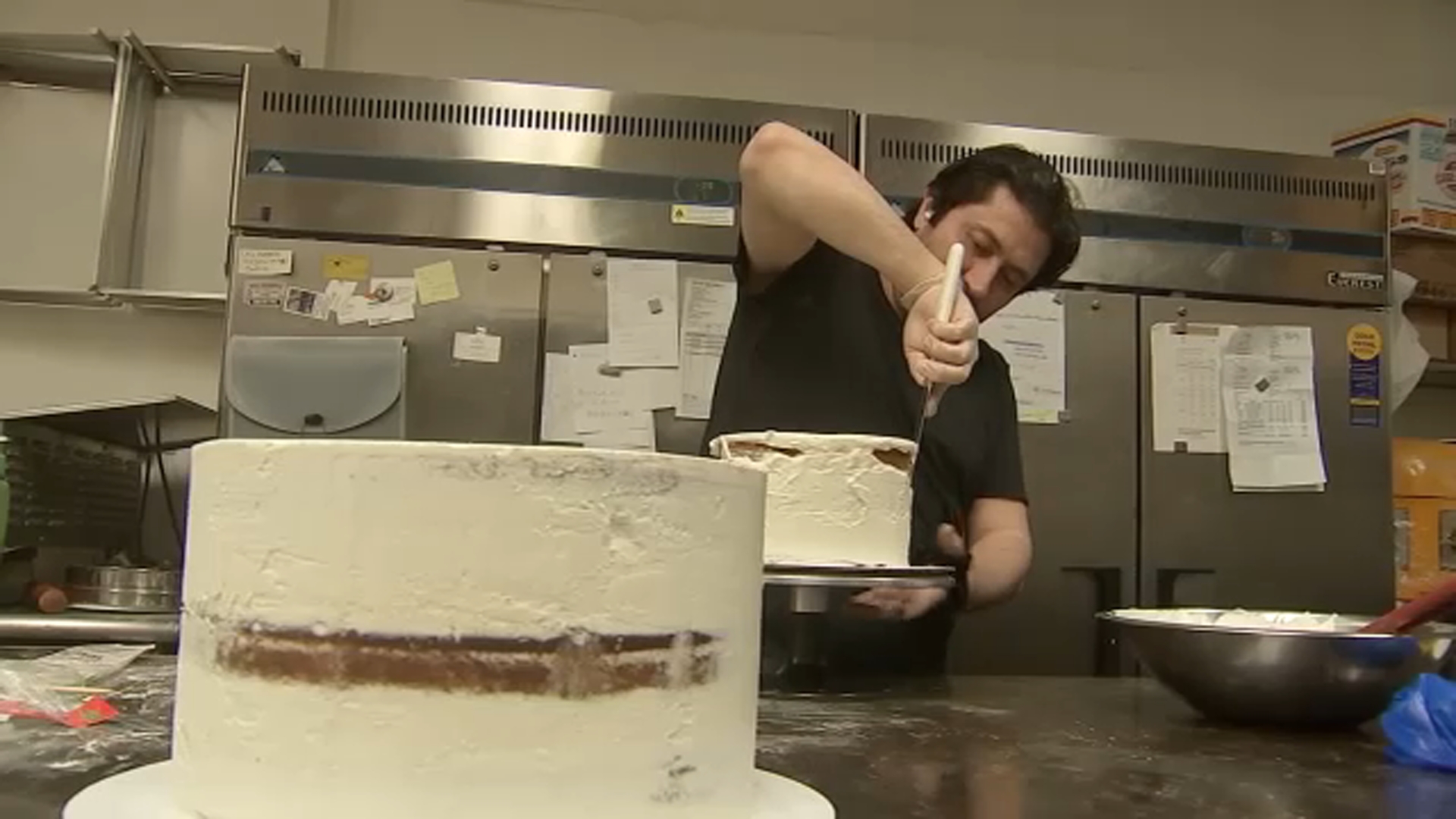
For Rafi's Pastry in Glendale, his business relies on ingredients straight from Europe.
"Basically, we import 70 or 80% of our product -- chocolate, cocoa butter, cocoa powder and even sometimes butter by itself," said Rafi Dekrmnjian of Rafi's Pastry and Cake Corp.


Rafi owns several businesses, and he says he's been having to pay more than double for some products, but he doesn't want the higher prices to have to fall on his customers.
"So basically, the tariffs are killing us because we can't raise our prices. The clients think that we are raising prices, but it's not. It's the ingredients coming in from Europe that are being raised," Dekrmnjian said.
For Prestige Auto Mart, the general manager said the court's decision feels like a turning point. His business has had to pay up to 30% in tariffs affecting their car prices.
"We were around during the crash of 2008. We were around during COVID and all that, but the effect of the tariffs... people take it in a different way because there isn't really any government help to the rates or anything that could make people comfortable," said general manager Jack Changryan. "We would ask that, you know, President Trump can somehow help us out with the rebates at least, or something so it doesn't affect customers' pockets."
The tariffs were designed to pressure countries like China and boost American manufacturing. Supporters say the tariffs protected U.S. Jobs, critics argue they raised prices and made things harder on small businesses.
Pasadena man was among plaintiffs who sued Trump
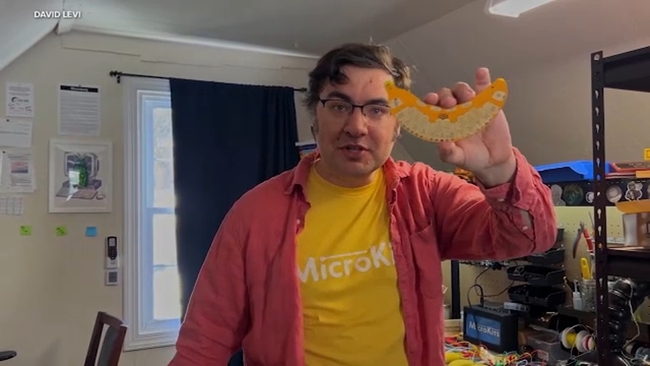
"There's so many people that don't like these tariffs, and also the way they were created," said David Levi, the CEO and creator of Microkitz.
The 32-year-old Pasadena native was one of the plaintiffs who sued the president over the tariffs and their impact on small businesses. On Friday, the justices ruled in his favor.
"These tariffs messed things up for about a year, so it's going take a year for things to start feeling normal, getting the supply chain going, all of that," Levi said.
Levi's company, Microkitz, designs educational electronic kits that teach kids music and engineering at the same time.
He says about 60% of his parts come from China, so when President Trump imposed the sweeping emergency tariffs last year, his sales dropped 25%.
"The tariffs went 100%, then like 150% at some point, and at that point, it didn't make sense to buy any parts," Levi said.
For Levi, the SCOTUS ruling was a win, but he says the new 10% global tariff still stings.
"Even if I get that refund back at some point, which hopefully I will, that won't bring back all the opportunity that was lost," Levi said.
The Associated Press contributed to this report.

