
What to know about air quality and your health after El Segundo refinery fire
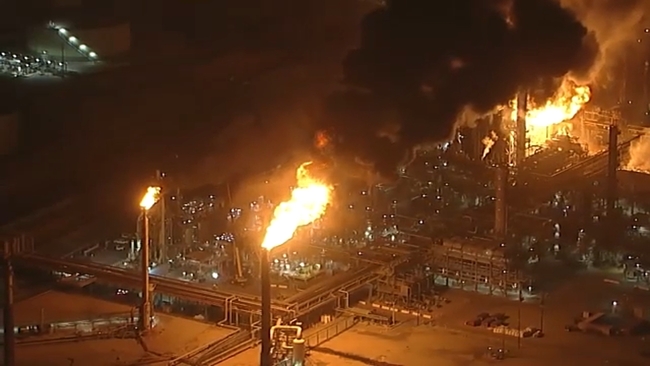
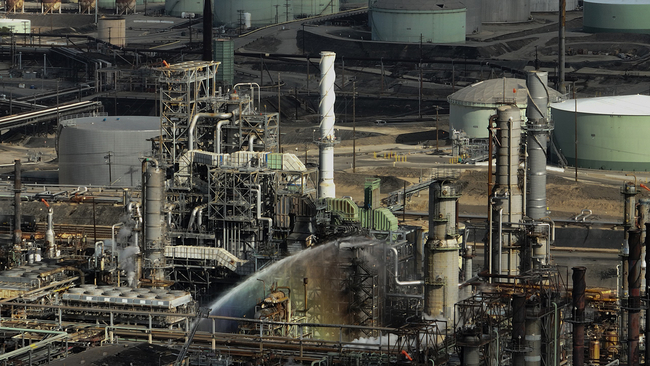
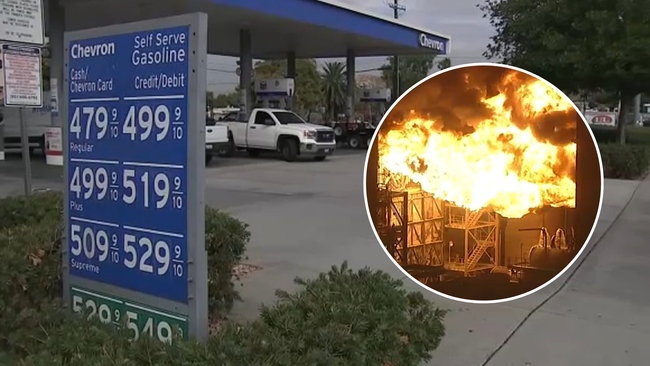
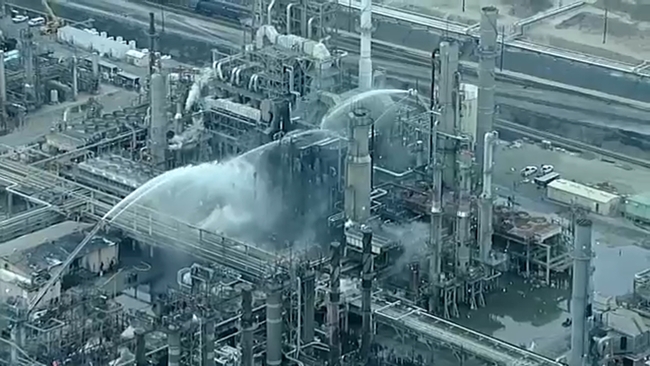
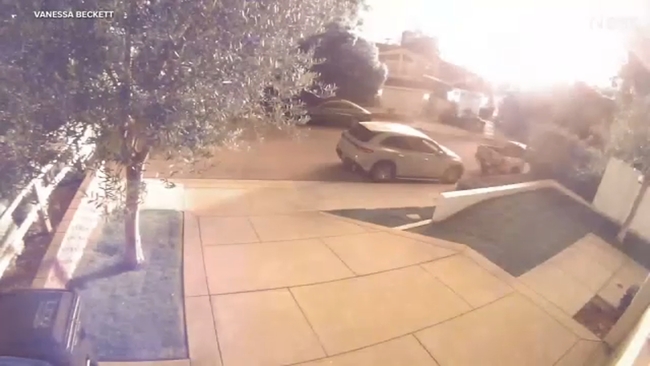
An explosion at a Chevron refinery in El Segundo sent smoke billowing into the sky and into surrounding neighborhoods. While the fire is under control now, questions remain about what's lingering in the air and what it could do to your lungs.
"Well, anytime there's a fire, whether it's through a refinery or whether it's a wildfire, there's particulates that get dispersed in the air, and those are the things people need to be worried about, inhaling those particulates," said St. Joseph pulmonologist Dr. Kia Nikoomanesh. "Particulate inhalation can lead to inflammation, and in specific populations of our pulmonary patients, that can lead to some issues."
Air quality readings spiked across the immediate area of the explosion on Thursday night, and although levels have started to drop, experts warn the health effects can last much longer, especially for those more vulnerable to the harmful particles.
"People that are usually at the highest risk, in terms of our pulmonary patients, are going to be asthmatics, patients with COPD, patients with immunocompromised states, so these are the patients that, when they inhale the particulates, their airways are very reactive already, so they become even more inflamed," Nikoomanesh said.
Inhaling chemicals like what was released from the refinery can trigger anything from coughing and wheezing, to chest tightness and long-term lung damage.
Dr. Nikoomanesh recommends staying indoors, wearing high-grade masks and staying updated on the air quality.
"Listen to the air quality control team, see what level of particulates are in the air. So that's the most important thing, to be educated in that. Once you kind of know about that, if the particulate levels are high, make sure that you're wearing a mask, make sure you're waring an N-95, if you start developing shortness of breath, you're coughing out of control, and you feel like you're getting worse, then it's probably a good time for you to go get checked out by a pulmonologist."
Chevron's Health Safety and Environmental team has continued conducting mobile air monitoring in the community.