Climate Prediction Center forecasts El Niño year. What does that mean for SoCal?
Some scientists say there is even a potential for a so-called "super" El Niño.


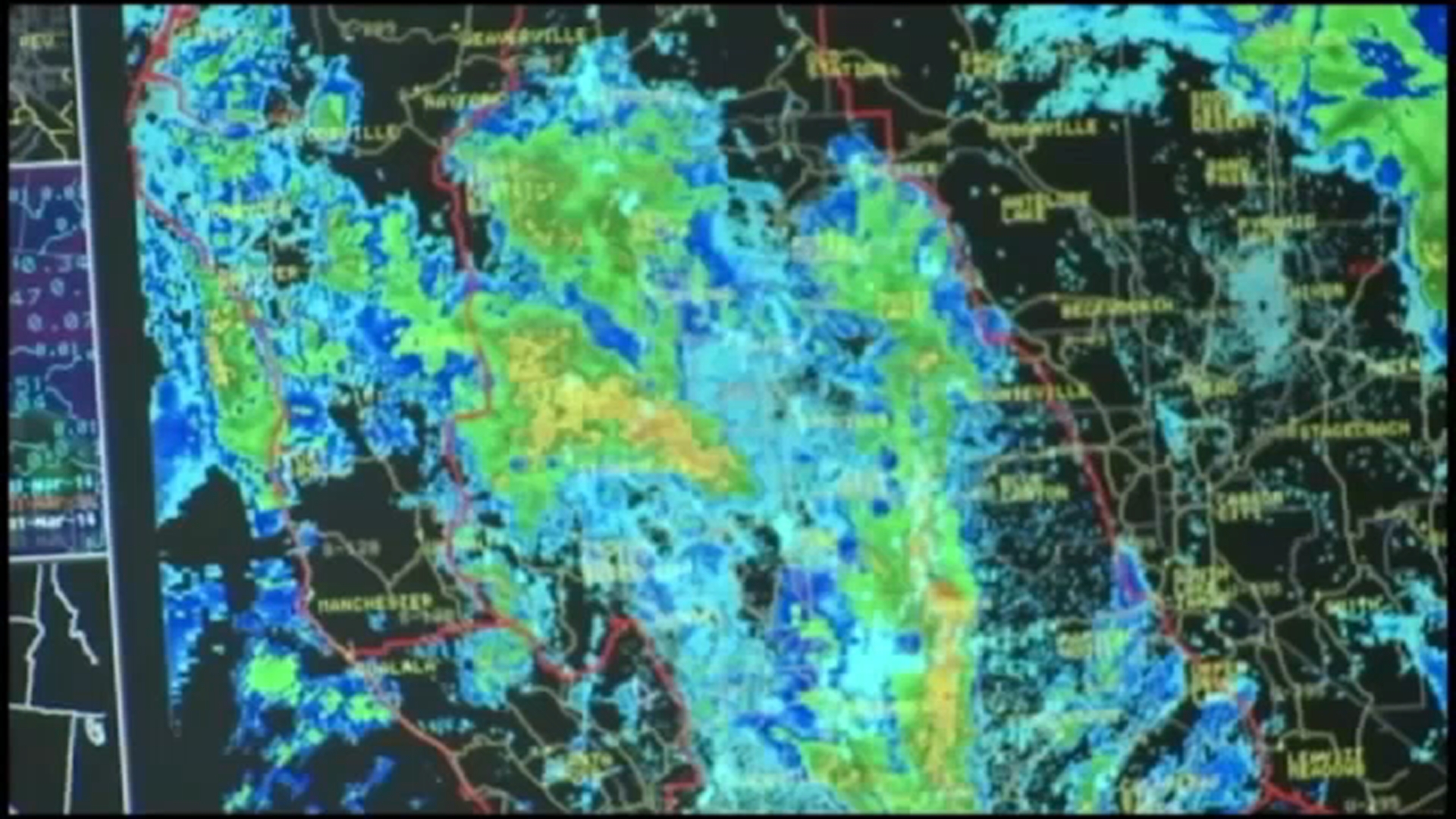
The Climate Prediction Center is predicting an El Niño year with some scientists suggesting there is even a potential for a so-called "super" El Niño.
The El Niño climate pattern has historically brought heavy rain and flooding to the region. Longtime residents may remember the impacts of past events, including the flooding in 1997-98.
"El Niño is when the water temperatures in the Pacific Ocean get really, really warm, and all of that warm water provides energy," explained ABC7 Chief Meteorologist Dallas Raines. "It's an energy source for possible heavy rain in Southern California."
One of the strongest El Niños on record occurred in 1982-83, when downtown Los Angeles recorded 34 inches of rain. By comparison, an average water year brings about 14 inches.
"We are moving toward and transitioning from neutral conditions to an El Niños, but right now, it looks like the El Niño will be moderate at best, with temperatures about one and a half to two and a half degrees above normal, which is a good solid El Niño but I wouldn't call it a super El Niño."
Forecasters closely monitor sea surface temperatures in the equatorial Pacific, particularly an area known as Region 3.4, which serves as a key threshold for tracking El Niño and La Niña development.
Even so, meteorologists emphasize that predicting rainfall impacts is far from exact, and many other factors come into play.
"It depends on what the polar jet stream does, because without the polar jet stream, it doesn't matter," said Raines. "You've got that energy down there, but if it doesn't come down across the Central Pacific, we won't get the heavy rain."
Past events highlight that uncertainty. During the strong El Niño of 2015-16, Southern California received far less rain than expected.
Top Stories



"In 2015, we had a very powerful El Niño and ended up with only nine inches of rain, so it doesn't mean it's absolutely going to happen," Raines said.
While rainfall projections remain uncertain, warm ocean temperatures associated with El Niño can still have significant impacts, including harmful algal blooms, disruptions to marine food webs, sea level rise and coastal erosion.
Meteorologists say they will continue to track Pacific conditions closely as the region prepares for the months ahead.