Coastal damage and a looming El Niño prompt warnings for homeowners to review insurance coverage


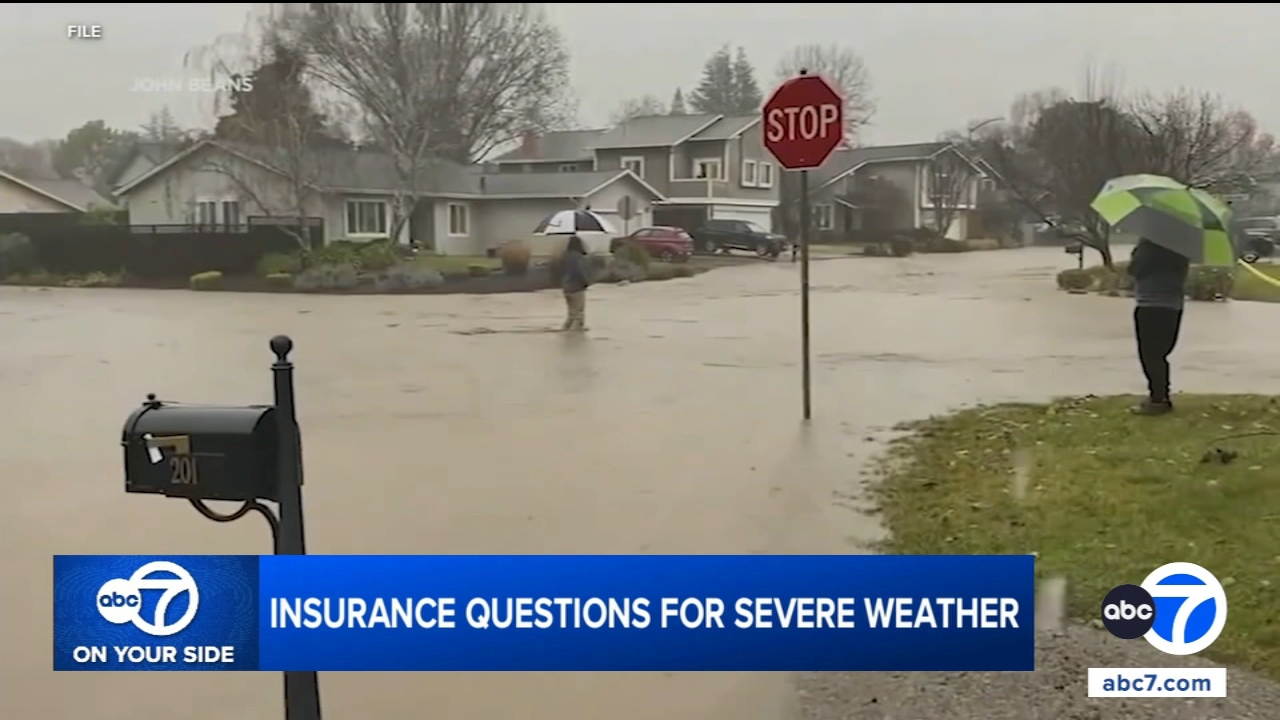
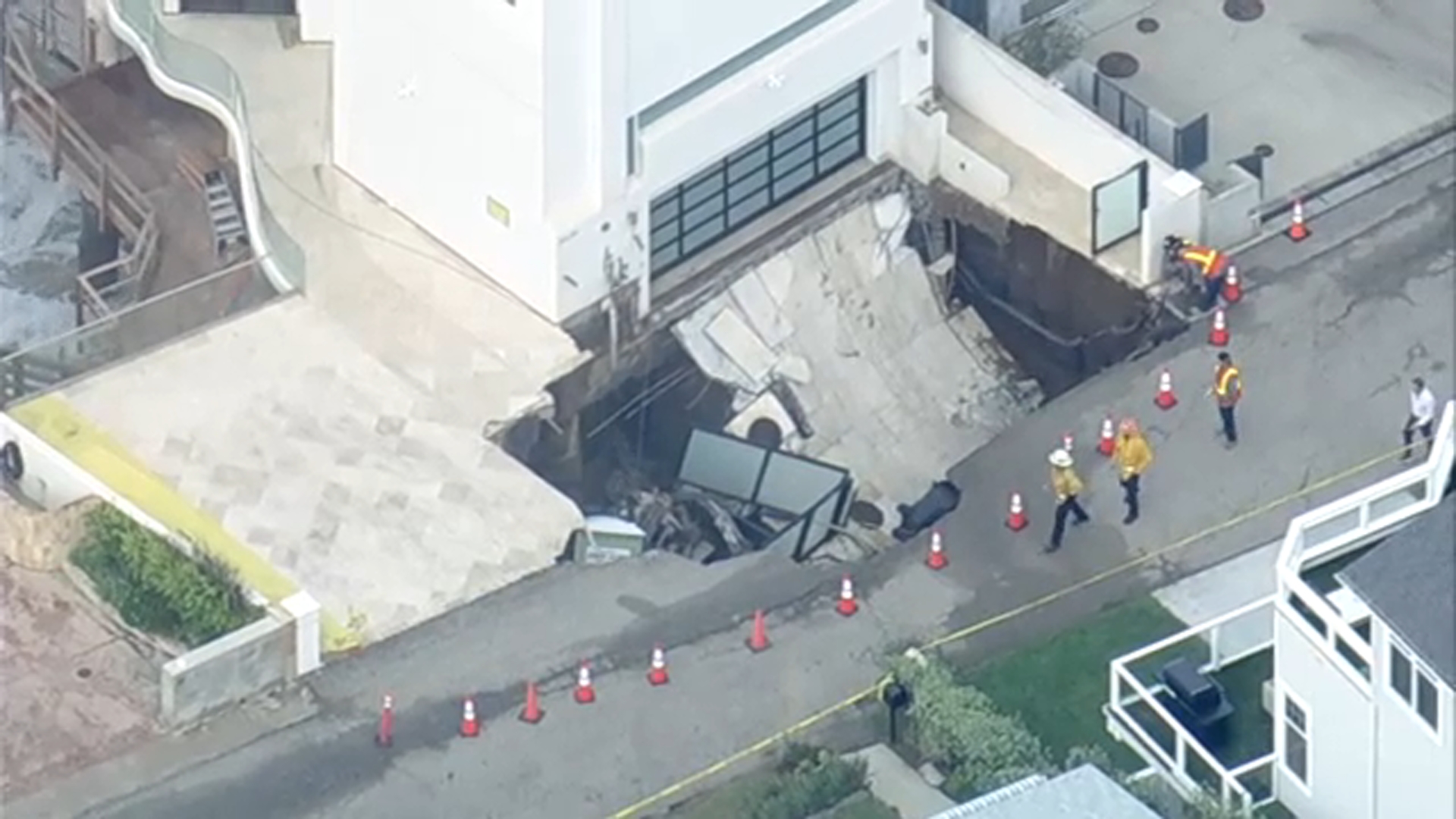
LOS ANGELES (KABC) -- A series of recent coastal hazards, from sinkholes to beach erosion to waves pushing water onto properties, is raising concerns for Southern California homeowners who may not be covered for the damage they're seeing.
Images of a collapsing driveway and eroding shorelines have unsettled many property owners, especially because most standard homeowners policies exclude this type of damage.
Sinkholes and beach erosion are typically classified by insurers as "earth movement" and basic policies very likely do not cover it, according to insurance experts. Homeowners along the coast are encouraged to ask their carriers whether add-on coverage is available and how much it would cost.
Flooding poses another gap. Very few homeowners carry flood insurance and insurers often deny claims when waves push water onto a property and cause damage. In those cases, carriers may say flood insurance was required for a payout.
Even inland residents are being urged to pay attention. This winter is forecasted to be unusually warm and wet because of a "Super El Niño" cycle. With the potential for heavy rainfall in the coming months, experts say now is a good time for Southern California homeowners to get a flood insurance quote.
Amy Bach of United Policyholders said the changing climate is increasing the risk of sudden, intense storms.
"Where it rains, it can flood," said Bach.


"Find out how much it (flood insurance) would cost. And if you can afford it, which is a big if for a lot of households today, add it," Bach added. "Because we're getting today things that are called severe convective storms. That's a fancy way of saying a ton of rain that falls in a really short period of time and can overwhelm drainage systems. Those are happening more than ever. That's the kind of thing you want flood insurance for."
Beyond insurance, homeowners can take practical steps to prepare. Sandbags can be purchased now and kept on hand in case surging water threatens a home. Roofs should be inspected and kept in good condition to ensure they hold up during the next major storm.