Metrolink suspends service between Laguna Niguel, Oceanside due to forecasted high tides


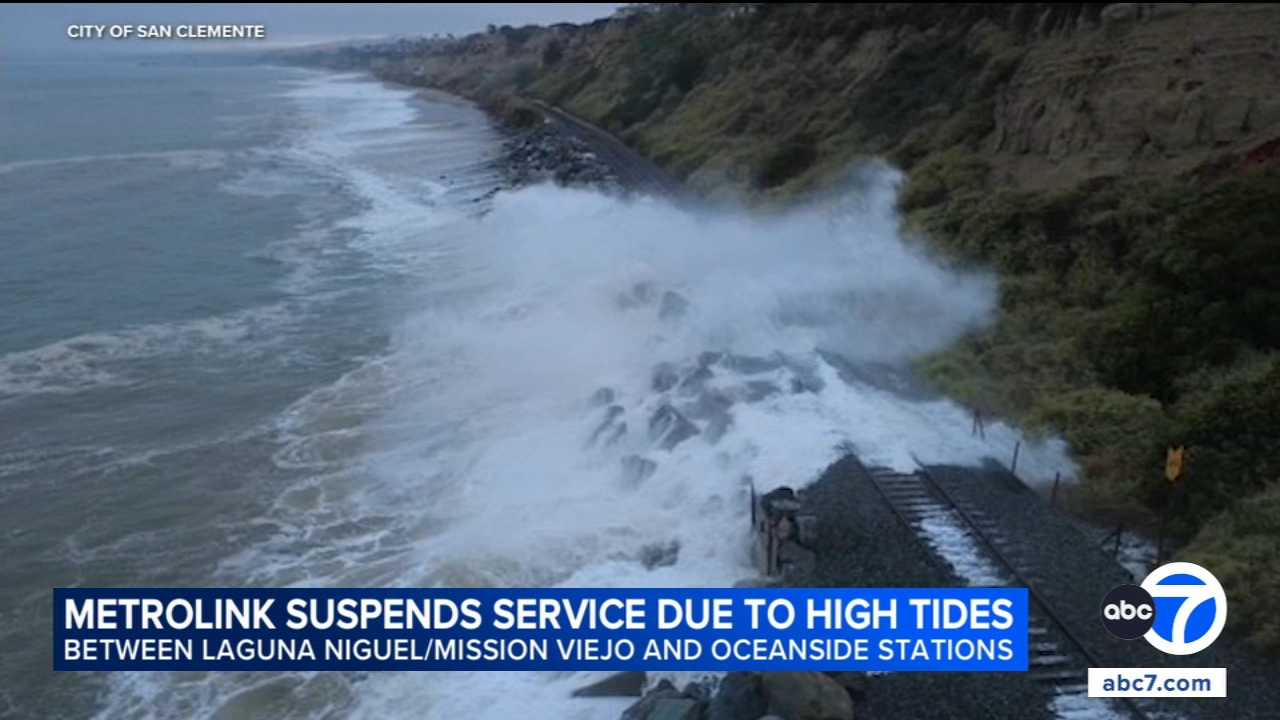
Metrolink service between Laguna Niguel and Oceanside has been temporarily suspended this week because of anticipated high tides, following surf-related disruptions and emergency track repairs in the corridor late last month.
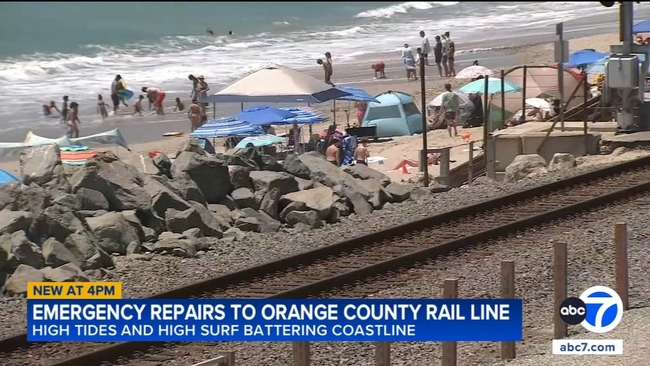
The suspension comes after powerful surf in late July caused significant delays in south Orange County and prompted emergency repairs along the rail line. According to Metrolink, the earlier disruptions extended beyond the immediate area.
"Last month we saw the delays in the corridor ended up having a ripple effect across our system and so it was far beyond just an impact to South Orange County," said Brett Hawkins, Metrolink's public relations manager.
South of the San Clemente Pier, high tides and strong surf disrupted Metrolink's communications system, and crews also identified track erosion. In response to forecasts for similar conditions this week, Metrolink chose to halt service between Laguna Niguel and Oceanside through Friday as a precaution.
"Our talented and tireless crews monitor that corridor very closely," Hawkins said. "They've increased their inspections during times in which high tides are forecast and we have our crews and materials staged nearby to respond quickly if conditions do change."
Those materials include riprap, or large rocks, placed along the outside of the railway line. However, Chris Mauro of Bring Back Our Beaches said he believes the practice is contributing to ongoing coastal erosion problems.
"When they put the rock down, the wave refraction off the rocks prevents any new sand from building up in front of there so you can't retain your beach," Mauro said.
Top Stories
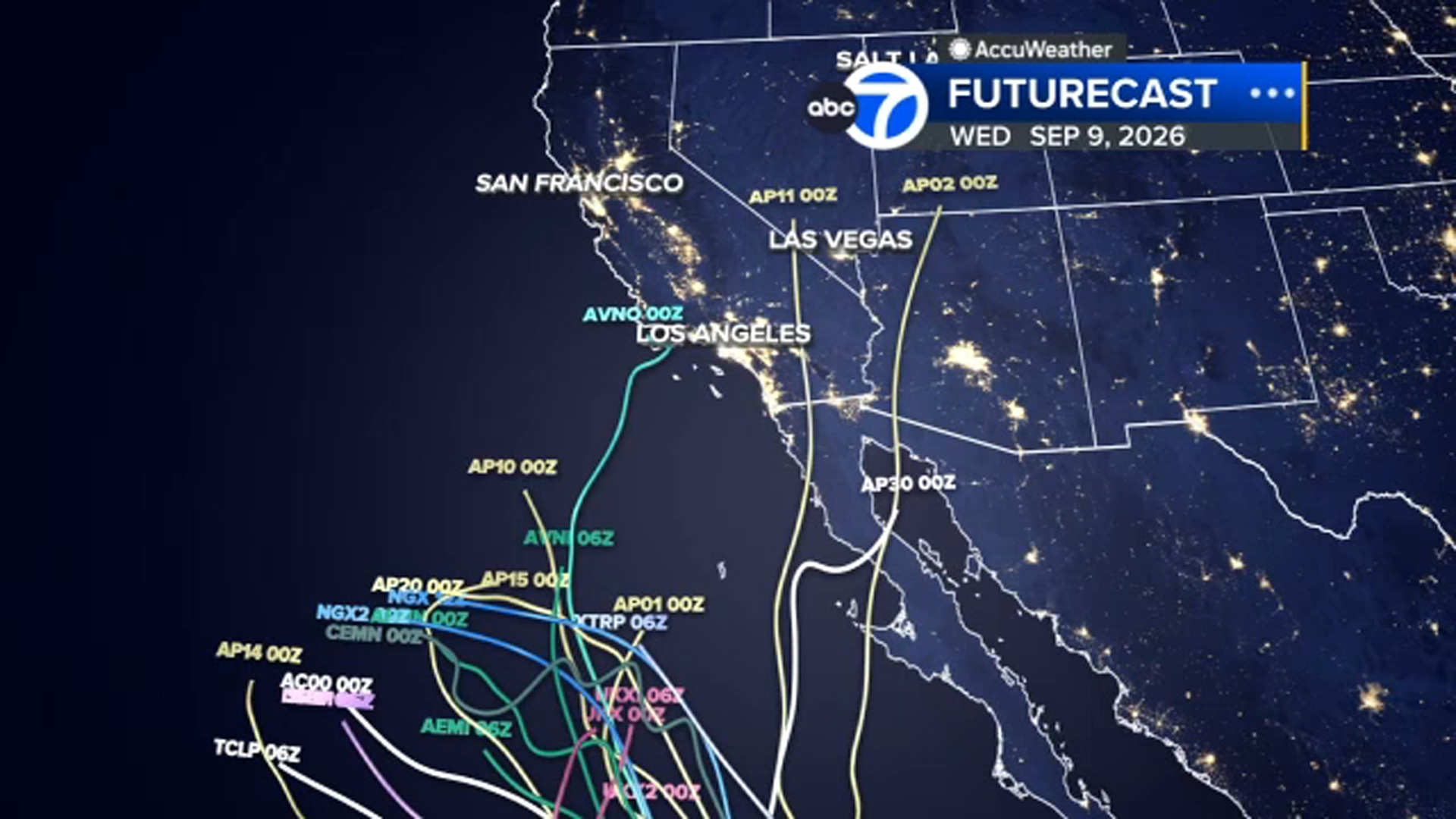

Mauro said beaches throughout Southern California are losing sand rapidly, which he attributes in part to decades of coastal development. He said the issue is especially severe in San Clemente.
"If you have sand, you're okay. If you don't, you're kind of screwed," Mauro said. "And so right now we're in a very, very vulnerable position at the worst possible time because this is an El Niño year. We're already getting southerly swells. We're gonna get some north swells this winter. Big ones."
Mauro said replenishing beaches with sand is the best long-term solution.
"People have got to get used to the fact that yes, your coastline is natural, but it's not as natural as you think," Mauro said. "It's engineered. And we have to stay on top of this if we want to keep our beaches intact."
The Orange County Transportation Authority is scheduled to present findings from its years-long coastal rail resiliency study at a virtual public meeting on Tuesday at 5 p.m. The future of the coastline and the role of sand replenishment are expected to be key topics of discussion.