What causes stuttering? Experts weigh in
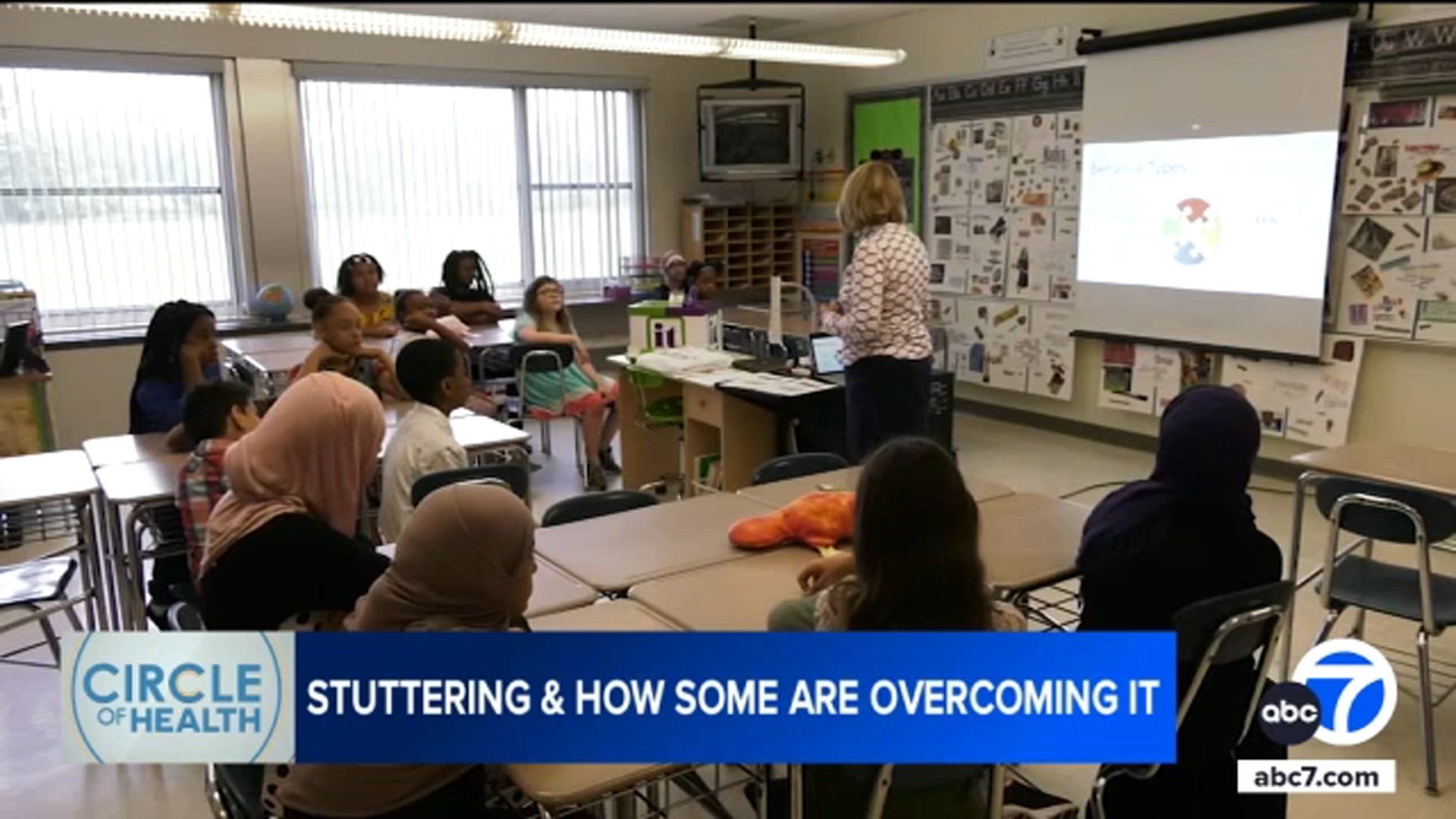


Over three million Americans stutter. Approximately 5% of all children go through a period of stuttering that lasts months. Some can recover on their own, but for others, it can be a difficult road.
Kevin Chambers is part of an elite group.
Shaquille O'Neal, Joe Biden and Tiger Woods all shared a common experience with him: stuttering.
"I have just stuttered my entire life," he said.
Once he had an interview for a big-time job, but ended up stuttering on every word.
"I'm in my 20s, you know, trying to go into my career. And it was hard," Chambers said.
Stuttering starts in childhood and 25% of children who stutter continue into adulthood.
"The ratio in adults is about four males to one female. That ratio is somewhat different in preschoolers, about 1.4 males to one female," said fluency specialist Martine Vanryckeghem, PhD. with the University of Central Florida.
Causes of stuttering include family history and genetics. But another factor is the environment they live in.
"The preschooler who stutters might be growing up in a family with other siblings and needs to compete for attention," said Vanryckeghem.
Stuttering isn't just about speech. It can affect how a person thinks, feels and interacts.
For Chambers, realizing it wasn't his fault was a turning point.
"For years I blamed myself," he said.
He worked closely with Vanryckeghem. His goal now is to improve every single day.
"I can let it go and it's fine. And just keep going," Chambers said.
Approximately 5% of all children go through a period of stuttering that lasts six months or more. A high percentage recover on their own. Spontaneous remission is higher in girls than in boys.