From politics to its diverse community, Long Beach carves a culture of its own

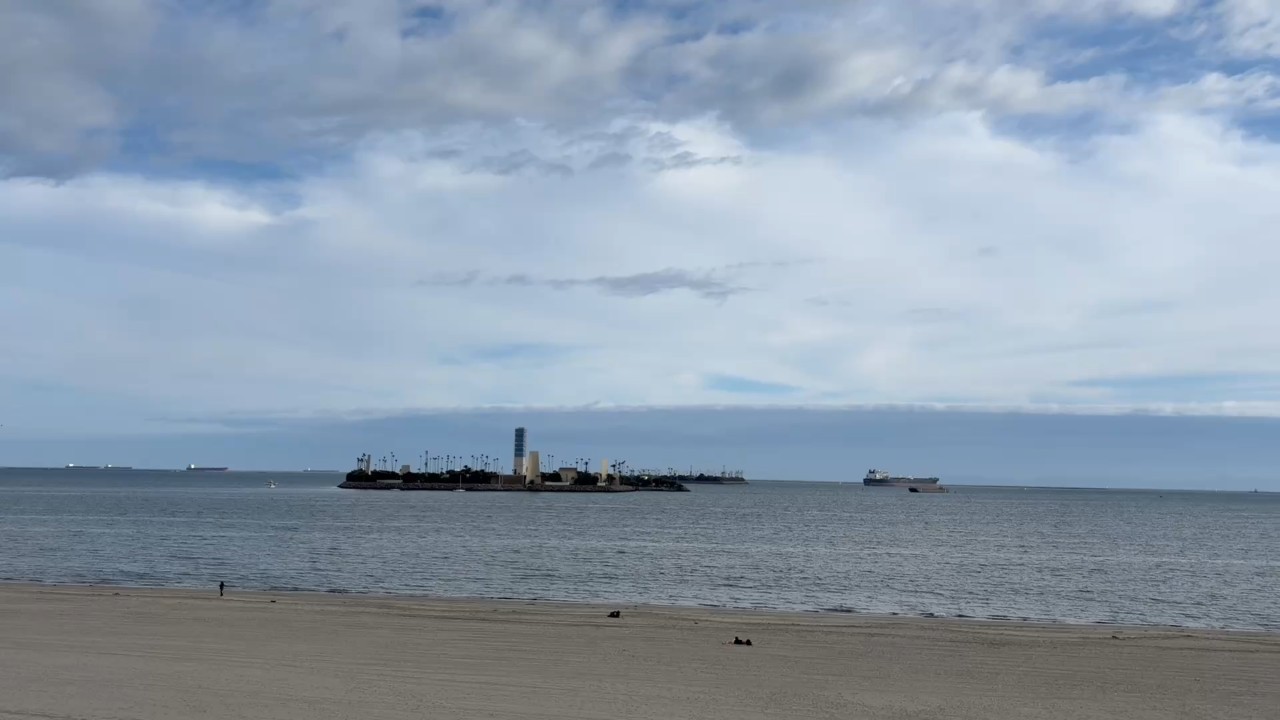
LONG BEACH, Calif. (KABC) -- As the second-largest city in Los Angeles County and the seventh most populous city in California, Long Beach is often recognized for its culture and diversity, with some calling it a "hidden gem."
From its large LGBTQ+ population to its 44% Latino, 12% Black and 13% Asian Pacific Islander communities, and areas like Cambodia Town, the city reflects a wide range of identities.
Long Beach local, Lea Daisy, describes Long Beach as a "hidden gem" because it feels both connected to and separate from the larger cities around it.
"You can come to Long Beach to relax.. And the community, it's so welcoming here," Daisy said. "I love the different cultural foods."
Known for its hip-hop culture, car scene, art and more, Long Beach has something for everyone. Its beaches, local boutiques and restaurants all add to its beach-town charm. Long Beach's geographic location between Los Angeles and Orange County creates a unique blend, but how does that actually shape Long Beach's identity?
California State University of Long Beach professor, Christine Jocoy, who specializes in urban geography, land use planning and city politics, says the answer has a lot to do with how the city is positioned.
Jocoy describes Long Beach as a "secondary city," a term used to describe cities that exist in the shadow of a larger neighbor.
"Secondary cities benefit from the 'borrowed size' of their larger neighbor, but they are often viewed as in the shadow of that city," Jocoy said.
Although Long Beach is innovative and distinct, that label helps explain why it is sometimes overlooked compared to Los Angeles, even as it continues to develop its own identity.
Jocoy also pointed to Long Beach's location as a key factor in shaping both its culture and perception.
"There is an old joke that Long Beach is the last stop before the 'Orange Curtain,'" Jocoy said, referring to Orange County's historically conservative reputation. "It is the political transition area as you move southeast down the coast."
Positioned between Los Angeles and Orange County, Long Beach exists as both a connection point and a contrast between the two regions. This in-between space shapes not just politics, but also the overall feel of the city.
Jocoy noted that Long Beach has a much less pretentious and chaotic vibe compared to Los Angeles.
Long Beach local, Kyra Sanborn, who previously lived in areas of L.A. like Silver Lake, echoed that perspective, describing Long Beach as a "favorite child" and appreciating its slower pace.
"That is what makes it kind of special and unique... it has access to everything, but it's kind of its own little gem," Sanborn said.
Long Beach residents, Eli Ivey and Chanel Smith have lived in Long Beach since 2013, and said that they also value the city's location, noting that being between Los Angeles and Orange County allows them to "choose their adventure."
As parents of a young child, they added that they appreciate the sense of community Long Beach offers.
Smith explained that Southern California is often described as a "melting pot," but said, "It isn't really a melting pot that got stirred. Long Beach actually got stirred well."
Still, Long Beach's identity is not without its challenges. Due to its size, some residents say the city feels like a collection of different pockets. Long Beach resident, Maritza Abreu, noted that while some areas are well-maintained and vibrant, others face issues such as lack of upkeep, food deserts and homelessness.
"Long Beach is so big... there are areas where there's a lot of support needed," Abreu said.
Public spaces like beaches and parks, which are central to the city's identity, can also reflect those challenges, with ongoing concerns about litter and maintenance.
At the same time, Long Beach continues to be defined by its diversity. The Neighborhood Data for Social Change describes the city as one of the most ethnically and culturally diverse in the nation, referring to it as a "tapestry of culture and community." That diversity, combined with its geographic location and evolving reputation, reinforces the idea that Long Beach is more than just a city in Los Angeles' shadow.
While Long Beach is connected to both Los Angeles and Orange County, it continues to function as its own entity, shaped by its communities, its contrasts and the balance between its strengths and its challenges.
This article was written by Natalia Martucci, a CSU Long Beach journalism student, with the aid of ABC7, and is a collaboration with ENYE, a CSULB journalism school news outlet.