Hidden heat hazards: How SoCal's first summer heat wave could impact your health



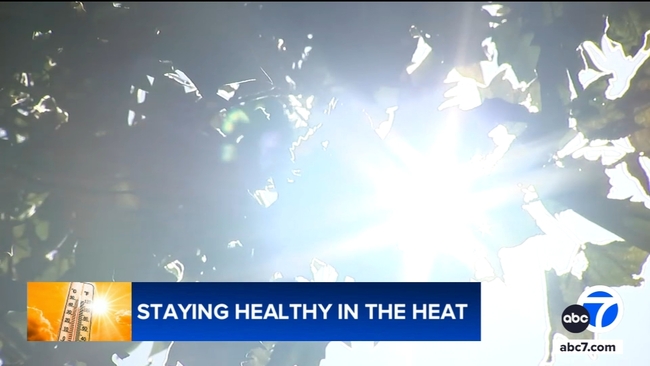
LOS ANGELES (KABC) -- The first summer heat wave is hitting Southern California. The weather can be dangerous -- especially if you have underlying conditions.
We know how miserable it's can be, but you may not realize how soaring temperatures can affect you in ways you may not be aware of, especially if you have asthma, high blood pressure or even allergies.
Heat can increase dust, mold and pollen, but reaching for popular over-the-counter remedies may lead to consequences you may not expect.
"So we want to avoid antihistamines, especially in the elderly population, because it does increase our risk for confusion and potential dehydration," said Dr. Kimberly Petrick, a family medicine expert for Kaiser Permanente Santa Monica.
MORE: ER doctor offers tips on how to avoid heat-related illness
Antihistamines offer relief because they reduce mucous, but they may also reduce other secretions like perspiration, meaning it's harder for your body to stay cool. If you take antihistamines, make sure to take in more fluids than usual. And in the heat, blood pressure drugs may cause an extreme response.
"Those medications can also lower the blood pressure because of something that we call vasodilation or widening of the blood vessels that leads to a risk for low blood pressure," she said
To avoid this, drink at least 64 ounces of water per day when it's hot. If you have asthma, don't forget heat can also exacerbate your airways.
"It's important to bring your rescue inhaler with you regularly, and if you feel like your breathing is still impaired, despite the rescue inhaler, please seek immediate medical attention," Petrick said.
And if you're dehydrated, Petrick said it's not uncommon to experience more headaches as well as more nose bleeds.
"Make sure that you're hydrating the nose with normal saline sprays. But there's also nasal gels that will help protect the nasal membranes and help moisturize it to reduce the risk of that dryness," she said.
If you know an elderly person without air conditioning, it's important to check on them at least twice a day. And Petrick said if they don't have air conditioning, make sure they have a fan to keep the air circulating and access to plenty of water.