College basketball eligibility: What to know about latest rulings

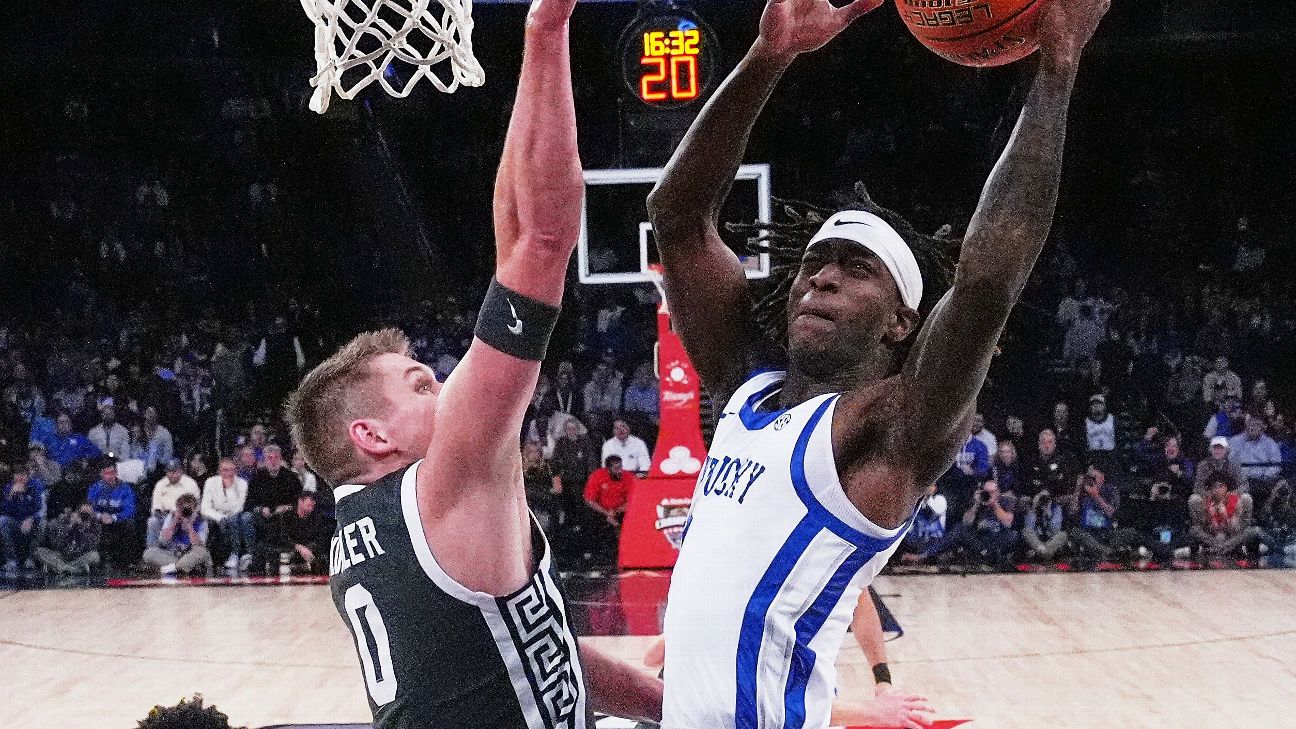
The college basketball offseason has never been more chaotic.
Normally, at this point of the season,college rosters are set and gelling. However, the issue of college eligibility has dominated headlines this summer, as athletes from the high school class of 2022 have been suing the NCAA for the ability to play under its new "five in five" rules.
On Friday, the 10th Circuit Court of Appeals granted the NCAA a victory: a stay in a previous federal order (the Wisne ruling in Colorado) that had allowed all 2022 high school graduates a blanket waiver to return for a fifth season.
But this is far from over. The stay is temporary as the NCAA appeals the original decision and is just one of the many class action and antitrust lawsuits the organization has been fighting at both the federal and state levels.
The uncertainty has kept rosters uncertain, with players, coaches, programs and conferences scrambling to understand who can and cannot have a roster spot -- whether for returnees or transfers.
There are just over two months left until the 2026-27 college basketball season tips. Will we have an answer by then?
Here's what we know about the current situation.

How did we get here?
Eligibility isn't a new issue in college sports, with players taking the NCAA to court for years in an effort to play more seasons, including this past campaign with Charles Bediako, James Nnaji and more.
In order to create some structure, the governing body announced in June a five-year eligibility window that would go into effect for every sport's upcoming season. A player would have a five-year window from enrollment -- beginning no later than the semester after their 19th birthday -- within which to play college sports. It is a continuous clock, which would eliminate the redshirts and most of the waivers that have been granted to players in the past.
Many lawsuits are a result of the NCAA's decision to exclude high school graduates in the 2022 class from eligibility for a fifth year under the rule.
There's also the issue of whether players granted another season could switch schools outside of their sport's respective transfer window (April for college basketball). Some lawsuits address this; others don't.
Who is impacted most by the decision to grant the NCAA's request for a stay?
The stay pauses the blanket waiver granted to the entire high school class of 2022, regardless of whether players are involved in a state lawsuit.
At the top of the list of players affected is Denzel Aberdeen, who helped leadFloridato the 2025 national title before transferring to Kentucky for his fourth season of college basketball. Coach Todd Golden has said the Gators would back Aberdeen in a state lawsuit for a fifth year.
FormerNorth Carolinaguard Seth Trimblerecently announced his commitment toLouisvilleunder the waiver. He played in the NBA summer league with the Washington Wizards, though he never signed a professional contract. Pat Kelsey's team is top-10 good and already features additions such asFlory Bidunga, but Trimble could give the Cardinals the edge in the race to the Final Four, provided he regains eligibility.
Donovan Atwell is looking to return toTexas Techfor his fifth season after averaging 13.5 PPG and 46% from 3 this past campaign. FormerColumbiaguard Kenny Noland (committed toMichigan) and formerQuinnipiacforward Amarri Monroe (committed toSyracuse) are also among the top names impacted.
As it currently stands, these players cannot join a college basketball roster.
So, who is currently eligible to play?
Anyone who has been cleared -- at least temporarily -- by one of the numerous state lawsuits that have been filed.
FormerMissouristar Mark Mitchell (18.3 PPG, 39% from 3) has entered the transfer portal after a judge in Kentucky granted him a temporary injunction.
Jaxon Kohler, an All-Big Ten honorable mention selection atMichigan State, committed toBYUthis week after a judge in California cleared him and others, including formerUCLAstars Donovan Dent and Skyy Clark, formerNC Stateguard Tre Holloman and former Florida guard Xaivian Lee.
AJ Storr, who averaged 15.5 PPG atOle Misslast season, is currently eligible to play atUNLVas a result of a separate state case in Tennessee.
Darrion Williams, who spent two seasons at Texas Tech -- including leading the Red Raiders to the Elite Eight in 2025 -- before playing at NC State last season, has his eligibility due to a Texas lawsuit.
A wild card isMiami's Malik Reneau, who averaged nearly 19 points per game last season and could return to the team pending the outcome of a state case filed in South Carolina.
What's next in the legal battle over eligibility?
So far, the NCAA has prevailed in two small respects: the stay in the Colorado ruling appeal and a similar decision earlier in the week in one of the first major state lawsuits regarding "five in five," in Ohio. Both cases are moving through their respective appeals processes, so expect more decisions to come.
"I think the NCAA is trapped," said one prominent NIL attorney about the flurry of lawsuits the group is currently fighting at the state and federal levels.
Another question is who can be granted a waiver. Earlier this week, a ruling in Louisiana opened the door for multiple athletes -- including players currently in NFL training camps -- to enter the portal and play next season. Attorney Ryan Downton, who has spearheaded a number of state lawsuits, including the one in Louisiana, said more are on the way.
"It's somewhat remarkable that I think it's close to a dozen courts that have looked at this now at the trial court level," he told ESPN. "And I think I'm only aware of one that's sided with the NCAA."
FormerSMUwomen's basketball playerKyla Deck, who was initially granted eligibility due to the blanket waiver in the Wisne ruling, has filed a federal antitrust lawsuit challenging the restrictions of the portal. Lawsuits about roster cap numbers and other eligibility-related issues might follow.
Whether the NCAA wins its appeal in the Colorado federal case or not, a flurry of state cases will persist.
Related Topics
- SPORTS
- ESPN
- KOHLER JAXON
- LEE XAIVIAN
- NOLAND KENNY
- MITCHELL JR-MARK
- ATWELL DONOVAN
- CLARK SKYY
- TEXAS TECH-RED-RAIDERS
- SYRACUSE ORANGE
- UNLV REBELS
- WILLIAMS DARRION
- ABERDEEN DENZEL
- BYU COUGARS
- TRIMBLE SETH
- RENEAU MALIK
- MENS COLLEGE-BASKETBALL
- HOLLOMAN TRE
- NORTH CAROLINA-TAR-HEELS
- DENT DONOVAN
- WOMENS COLLEGE-BASKETBALL
- MISSOURI TIGERS
- STORR AJ
- LOUISVILLE CARDINALS
- NC STATE-WOLFPACK
- MONROE AMARRI
- UCLA BRUINS
- FLORIDA GATORS
- MICHIGAN WOLVERINES