Could dental floss replace shots? Researchers explore new vaccine delivery method


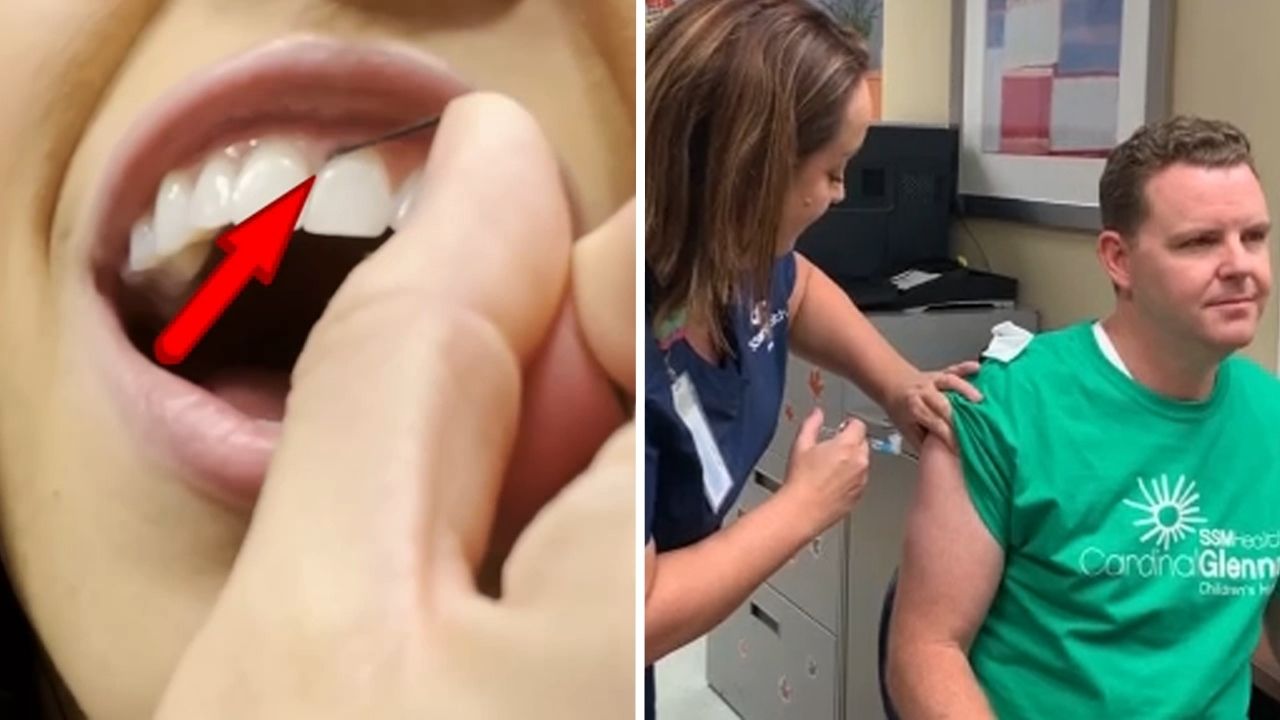
We now have vaccines that protect against more than 30 life-threatening disease. But a fear of needles still keeps many from rolling up their sleeves.
Now, there's a surprising new way researchers are working on to deliver the same results, without a shot.
Something you do every day could one day help protect you against everything from the flu to shingles.
Covid, measles, tetanus, HPV, RSV - most vaccines today still come the same way, a needle in the arm.
But researchers at North Carolina State are testing a new approach that could change that.
"They should be able to just go and floss, and they have the vaccine administered," said Dr. Harvinder Singh Gill, a researcher with NC State University.
Yes, floss!
NC State researchers believe the small space between the teeth and gums may be the perfect doorway for delivering medicine. That permeable tissue could allow vaccines to enter the body without a needle and trigger stronger protection where many viruses first attack, like the nose, mouth and lungs.
"We should expect a good response through this route. In addition, we should expect a mucosal immune response," Gill said.



And there could be other advantages.
"You could do it yourself, so you didn't have to stand in the line. So, you could buy it, get it from somewhere, and do it right there," Gill said.
Plus, researchers say floss based vaccines would not need extra cold storage.
"The future of vaccines, as I see it, is something where you are not afraid of taking vaccines," Gill said.
In the future, protection could be part of your daily routine, along with brushing and flossing.
Early studies show promising result. Human trials would be the next step.
Researchers say this approach is designed for older children and adults and wouldn't replace traditional shots for infants, who don't yet have teeth.