Lindsay Clancy trial: A closer look at postpartum disorders
The case highlights gaps in understanding and treating postpartum psychosis.


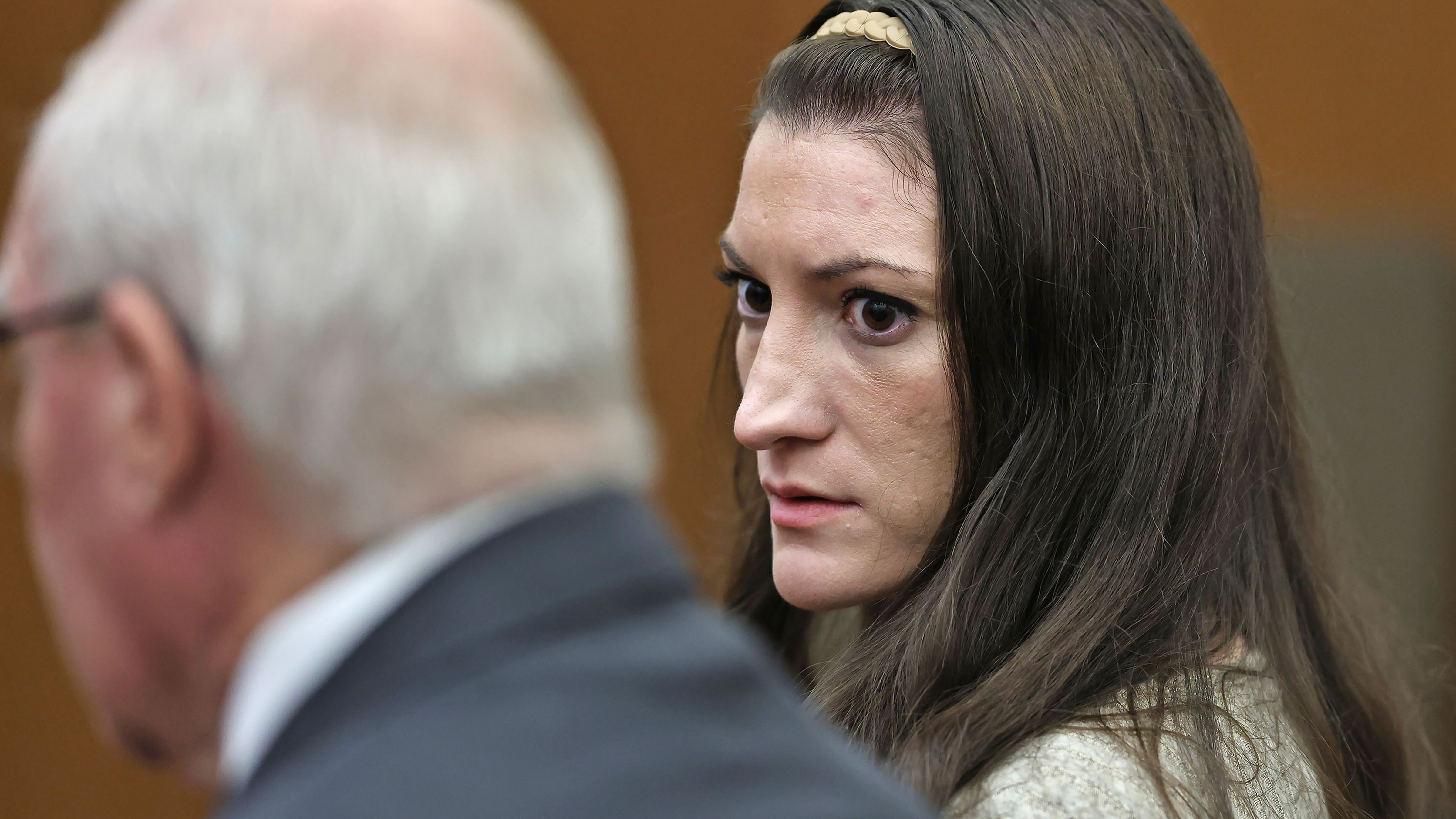
LOS ANGELES (KABC) -- Jury deliberations resumed for a fifth day Wednesday in the Lindsay Clancy murder trial, a case that has garnered national attention.
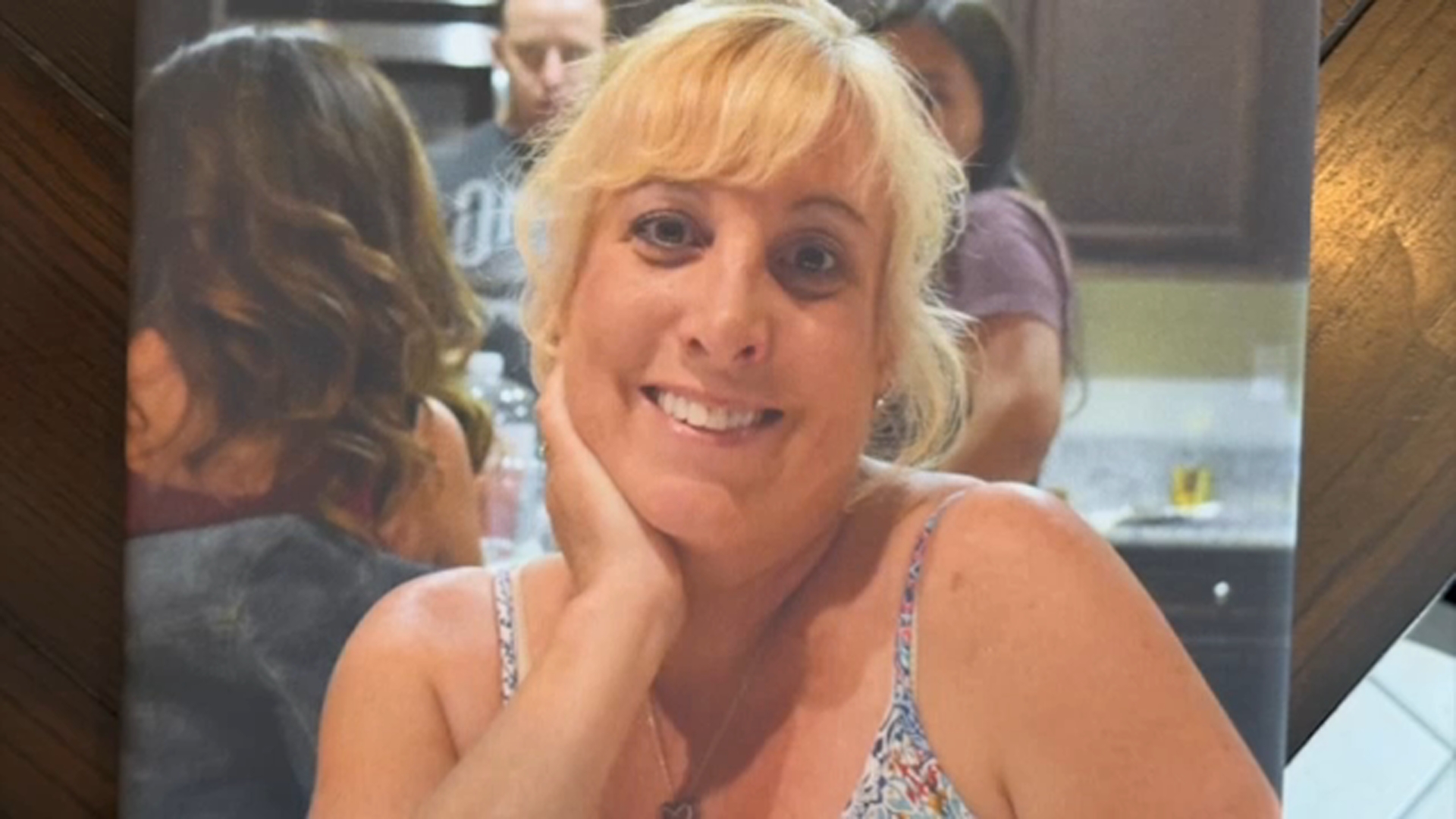
A former labor and delivery nurse, Clancy doesn’t deny strangling her three young children at the family's Massachusetts home in 2023, but she says postpartum psychosis led to her actions.
Closer look at postpartum disorders
The Clancy case highlights critical gaps in understanding and treating postpartum psychosis.
While some may think postpartum depression progresses into psychosis, doctors say the two conditions are distinctly different. Both are related to hormonal shifts, but neither condition gets the attention it deserves.
The “baby blues” are usually mild and short-lived, but Dr. Olusinmi Bamgbose, a reproductive psychiatrist at Cedars-Sinai, said postpartum depression can be much more serious and long lasting.
“It's very hard to see happiness, or to feel joy, even to feel like you can focus on what you need to do," she said.
Postpartum depression presents quite differently than postpartum psychosis, which is a true psychiatric emergency. Early signs can include swings from delirium to bursts of energy and productivity.
“I actually feel pretty good, I had a good day, we were laughing and dancing, and then they might, a couple minutes later, feel like, 'Oh, my baby looks like a demon, or I'm worried that people are following me, they're going to come get me,'" Bamgbose said.
Both are related to the sudden drop in hormones. About 1 in 7 women experience postpartum depression.
Postpartum psychosis is rare, affecting about 1 in 1,000 women, and it’s hard to know who’s at risk.
“A lot of people who have postpartum psychosis, it's their first instance of any type of mental illness in their life," Bamgbose said.
A mom acting strangely may seem perfectly fine by the time she sees a doctor. Often the responsibility of communicating strange behavior falls on the family member.
“You need to tell them, 'I'm worried about postpartum psychosis.' You have to say the words so that the person who's evaluating her can really be triggered to act in an urgent manner," Bamgbose said.
Treatment for postpartum depression usually involves behavioral therapy plus antidepressants. Postpartum psychosis requires mood-stabilizing and antipsychotic medication. Bamgbose encourages women not to feel guilt or shame.
"It does not mean you are a bad person or a bad parent. It can happen to anyone, and getting the help that you need will make it so much better and so much easier for you to recover and be able to bond with your child," she said.
Once you’ve had postpartum depression or psychosis, it's possible to get it again.
Having postpartum psychosis also increases a woman’s risk for bipolar disorder. Bamgbose said it's important for those patients to maintain a relationship with their psychiatrist.