C-section rates in US remain high as experts weigh risks and benefits


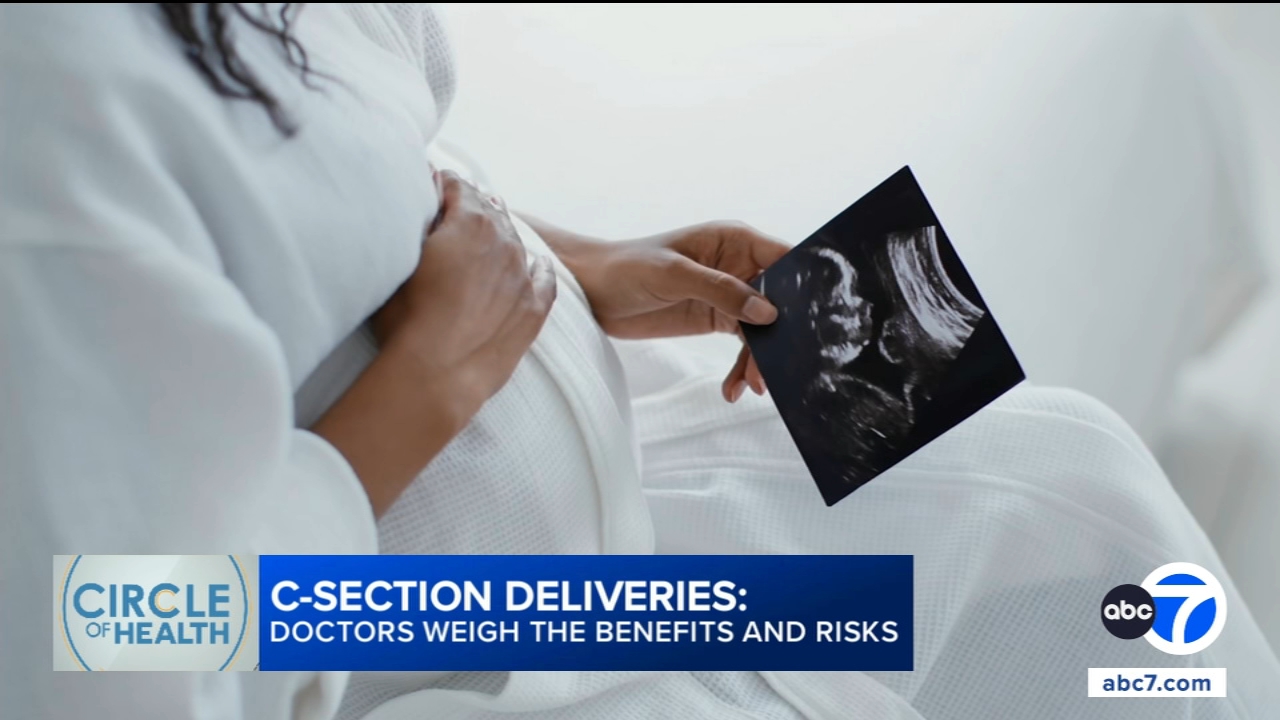
About 10,000 babies are born in the United States every day, and nearly one-third, 32%, are delivered by Cesarean section. It's a rate that exceeds the 10-to-15% the World Health Organization considers acceptable.
C-sections can be lifesaving procedures, but data shows that medically unnecessary surgeries can increase the risk of complications for both parent and child.
"So there really has been a push, especially I would say in the last five years to try to avoid unnecessary C-sections," said Dr. Rita Ellen Eye, an OB/GYN.
A C-section involves delivering a baby through an incision in the lower abdomen and uterus to remove the baby safely. One common reason for the procedure is when the baby is not positioned for a safe vaginal delivery.
"One fairly common reason that a C-section might need to happen would be if the baby is not in a good position to deliver vaginally," Eye said.
Disparities in C-section rates also persist. Numerous studies have found that Black women are nearly 25% more likely to undergo an unnecessary C-section compared with white women. An analysis by the National Institutes of Health concluded that doctors may be treating high- and low-risk Black patients similarly, contributing to the difference.
The most common reason for performing a C-section today is fetal distress, often identified through fetal monitoring. Doctors may recommend surgery when there are concerns about a baby's ability to tolerate labor.
"Rather than risk the baby not being able to be delivered safely, then very often we'll suggest, you know what, let's do a C-section to get the baby out safely," Eye said.
However, studies show that fetal monitoring can increase the likelihood of a C-section by 63%. While signs of distress frequently prompt surgical intervention, doctors can sometimes use other measures to stabilize the baby and continue labor.
"There are often many things we can do during labor, like give IV fluids, give some oxygen, change the position for the mom, where you can take the pressure, take that distress away from the baby, and be able to proceed with labor rather than have to say, oh, this isn't safe. We have to stop and do a C-section now," Eye said.
Experts say the benefits of C-sections include avoiding the use of forceps or vacuum devices during delivery and reducing the risk of complications such as a baby's shoulders becoming lodged in the birth canal. The drawbacks include greater blood loss and the likelihood that future pregnancies may also require surgical delivery.
Researchers emphasize that the decision between a C-section and a vaginal birth should focus on safety rather than convenience.
At the end of the day, experts say the priority should be choosing the method of delivery that best protects both the mother and the baby.