
Why does California's vote counting process take so long?
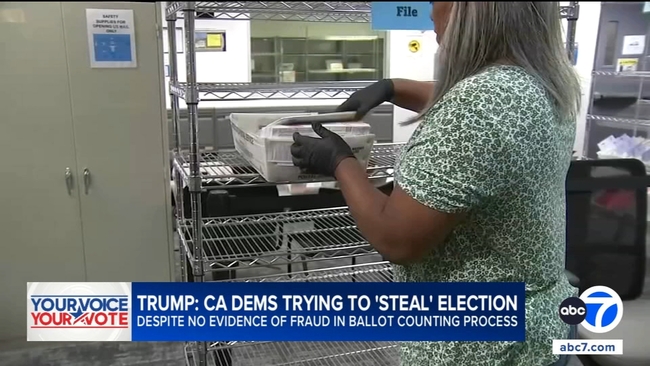
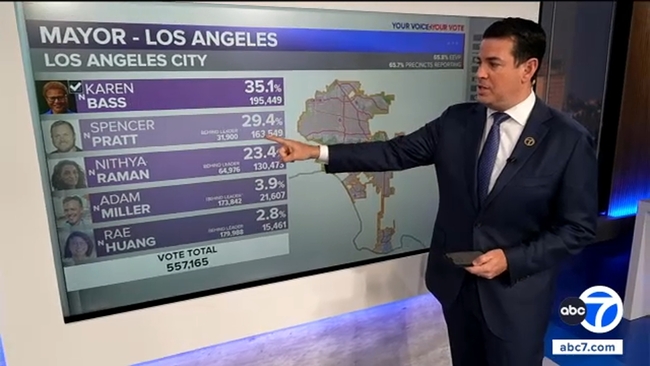
As elections workers continue to verify and count mail-in ballots still coming in, they're getting pummeled with criticism over California's counting process. But why does the counting process take so long?
"The main culprit here is that California is an all-mail state, meaning that it mails a ballot to every single registered voter," said Stephen Richer, former Registrar of Voters for Maricopa County in Arizona.
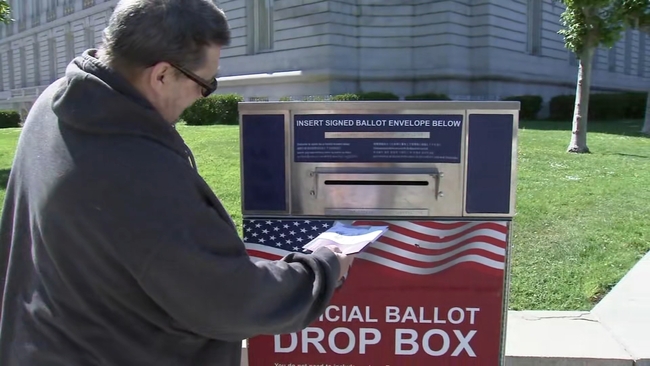
The most populous state in the country is home to 23 million registered voters, which requires ample time for all ballots to be accurately counted. But in addition to the sheer volume of votes, the state also relies on a significant number of mail-in ballots, with some not arriving until a week after voting ends.
Richer says that in California, about 80% of voters vote using the ballot they get in the mail -- compare that to Texas for example, where only about 15% of voters use mail-in ballots, and he says you can understand why it takes so long in California.
"I think somebody defending California's system would say, look, we're a big spread-out state with a culture of mail voting. We like it because you don't have to wait in line. We like because it's accessible, we like it because we think it gives our voters every opportunity to participate in the system and that's what's most important to us," said Richer.
According to the California secretary of state, "vote-by-mail ballots postmarked on or before Election Day and received within seven days after the election, as well as any provisional ballots cast, must still be counted."
County election officials have up to 30 days after the election to count ballots. Final results from Tuesday's primary must be reported to the secretary of state by July 3, 2026.
The process of counting mail-in ballots and validating voters' signatures is also arduous, as each envelope signature must match the signatures on file, which can lead to additional delays.